

Travel & Logistics
Travel & Logistics
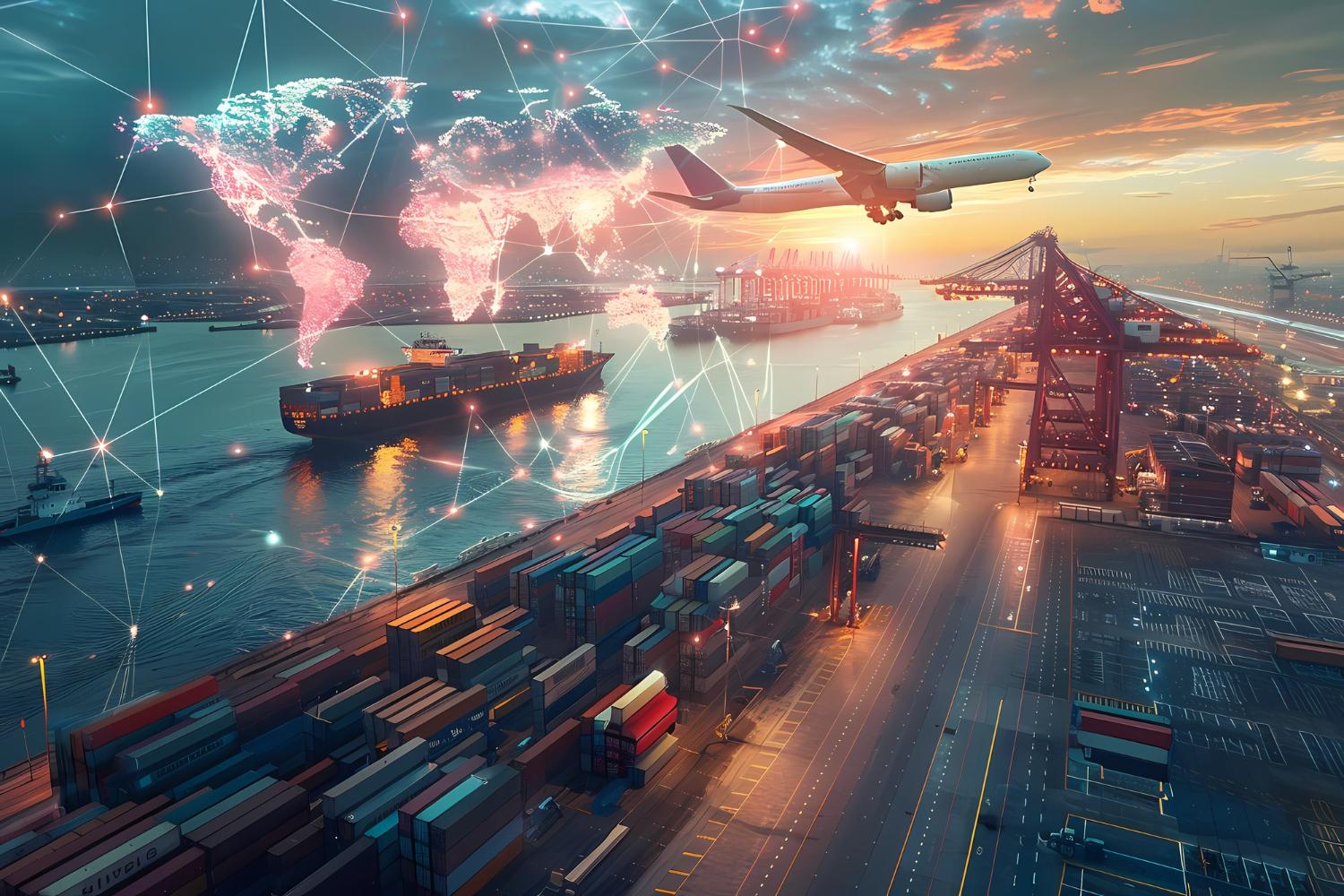
In Logistics, ERP systems optimize the movement and storage of goods through features like inventory management, warehouse management, and transportation management. They support multiple transportation modes (air, sea, road, rail) and streamline processes from order placement to final delivery.Advanced functionalities include route optimization, cargo tracking, and integration with suppliers and carriers to ensure timely and cost-effective logistics operations.
In the travel sector automate and centralize processes related to booking management, itinerary planning, and customer relationship management (CRM). They integrate with global distribution systems (GDS) and online booking platforms to provide real-time availability of flights, accommodations, and services.
Our Hospitality and Travel Software Solutions
Centralized Data Management
Centralized data management is a fundamental advantage offered by ERP (Enterprise Resource Planning) systems in the context of the travel and logistics industry. Imagine a scenario where a travel company handles bookings, manages a fleet of vehicles, monitors inventory levels of supplies, and interacts with customers across various channels. Without a centralized system, each department might maintain its own set of records and databases.

Improved Efficiency & Productivity
The implementation of a Travel and Logistics ERP system enhances efficiency and productivity by automating processes, integrating operations, providing actionable insights, and optimizing resource utilization. These improvements enable organizations to operate more effectively, deliver superior service to customers, and maintain a competitive edge in the dynamic travel and logistics industry.


Enhanced Decision Making
Enhanced decision-making is a critical advantage that a Travel and Logistics ERP (Enterprise Resource Planning) system offers to organizations within the industry. By integrating data from various functional areas into a centralized platform, ERP systems provide decision-makers with timely, accurate, and comprehensive information needed to make informed choices that drive business success.


Efficient Resource Management
Efficient resource management through Travel and Logistics ERP systems plays a pivotal role in enhancing operational efficiency, reducing costs, improving service quality, and maintaining competitive advantage in the dynamic travel and logistics industry. By leveraging integrated data and advanced functionalities, organizations can optimize their resources strategically, streamline operations, and deliver superior value to customers.


Enhanced Inventory Control
Enhanced inventory control through Travel and Logistics ERP systems empowers organizations to achieve efficient inventory management, streamline supply chain operations, reduce costs, and improve customer service levels. By leveraging centralized data, automation, and advanced analytics, organizations can optimize inventory processes, mitigate risks, and maintain competitiveness in the dynamic and competitive travel and logistics industry.


Integrated Financial Management
Integrated financial management through Travel and Logistics ERP systems empowers organizations to enhance financial efficiency, accuracy, and transparency. By integrating financial processes, automating tasks, enabling real-time reporting, and supporting compliance, ERP systems enable organizations to make informed financial decisions, optimize resource utilization, and achieve sustainable growth in the competitive.